Size Charts
Every size chart, in one place
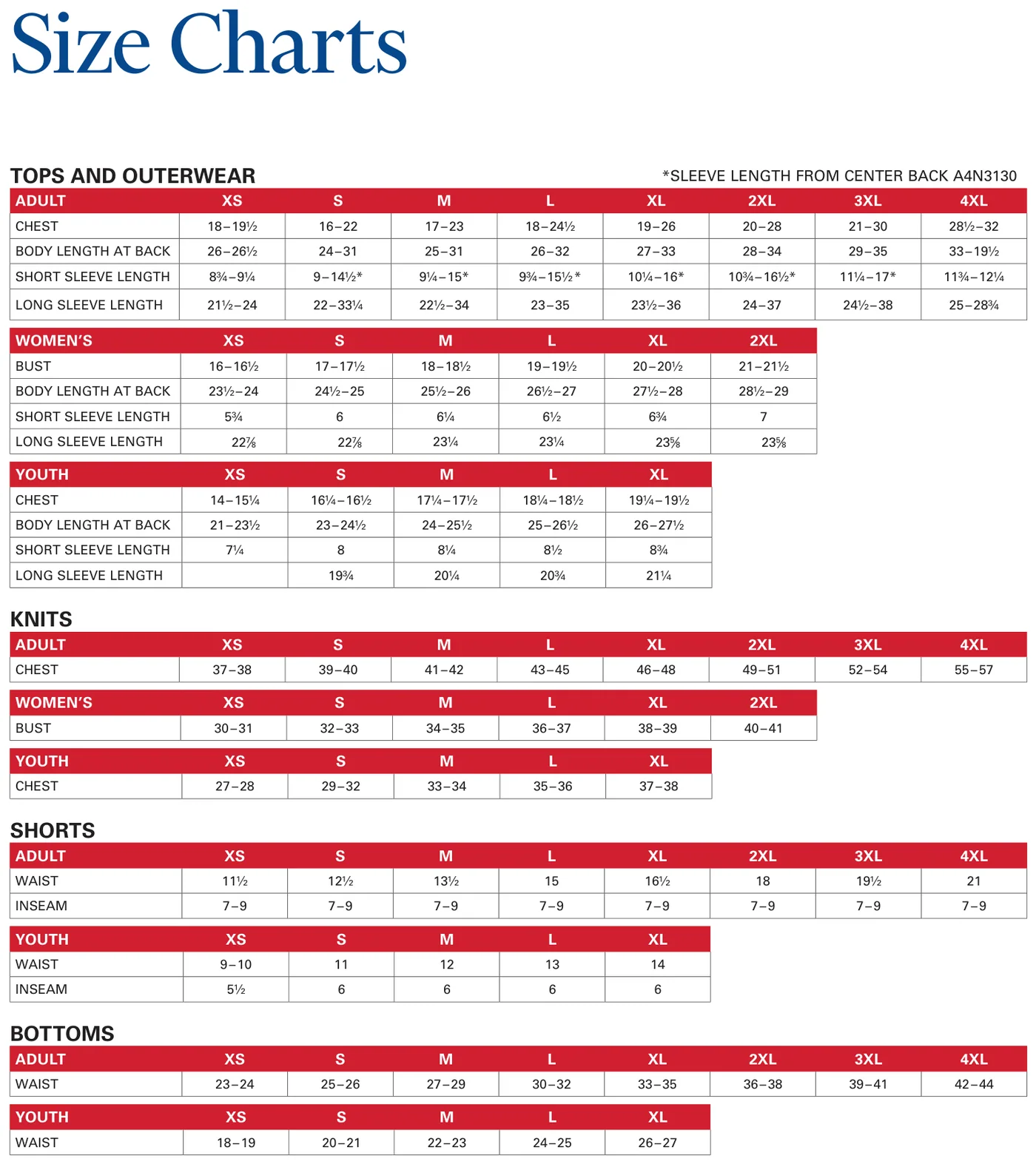
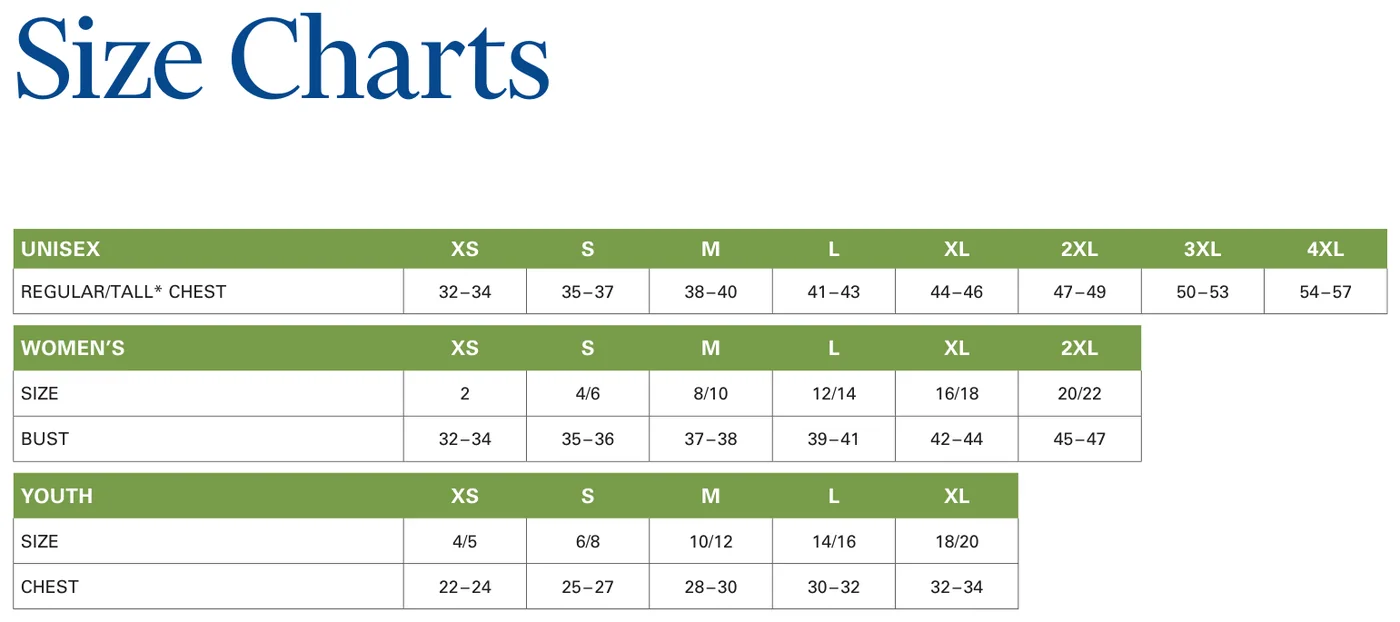
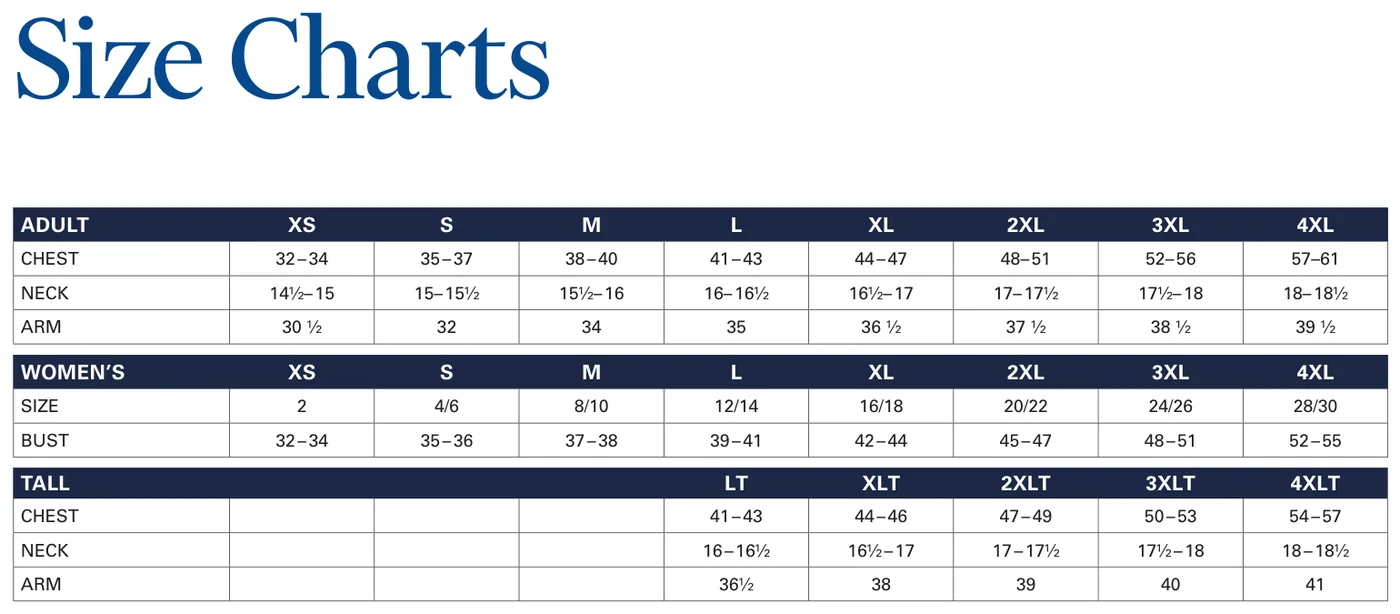
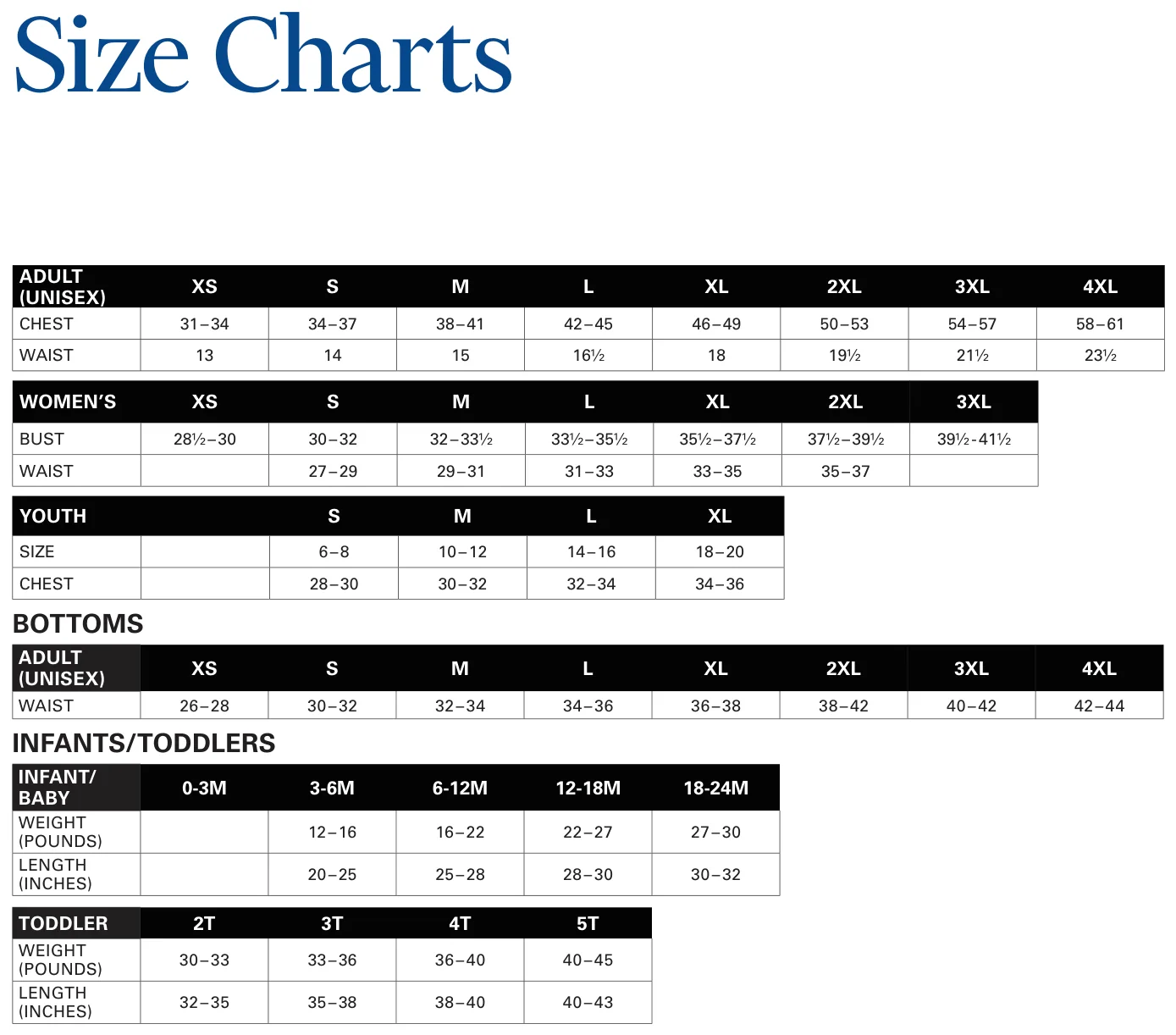
If you are ordering blanks for the first time, the size chart is the part that decides whether the order sells through or sits in a box. You do not need to know how sizing works — find the chart that matches the shirt you are buying, measure a shirt you already own, and order the size that matches.
34 charts, viewable below and downloadable as PDF. Nothing here requires an account.
1Open the chart for the shirt you are buying
2Measure a shirt you already own, flat, armpit to armpit
3Match that number to the chest width column
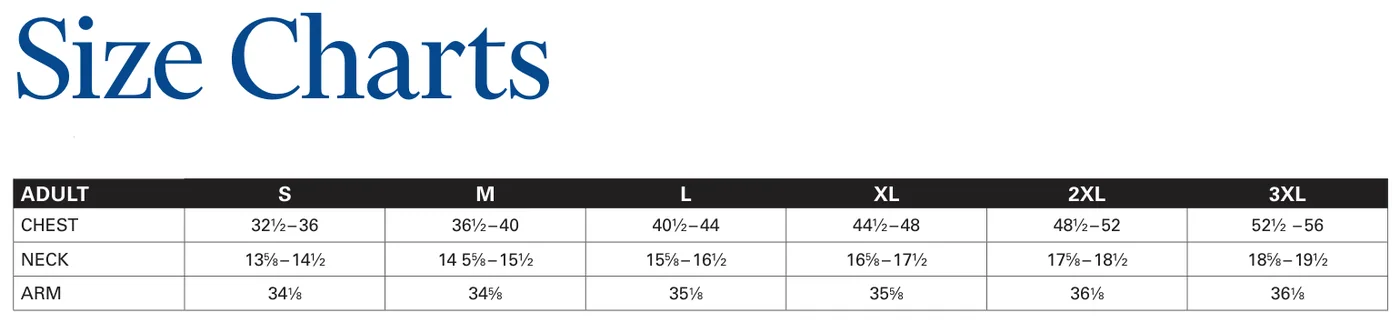
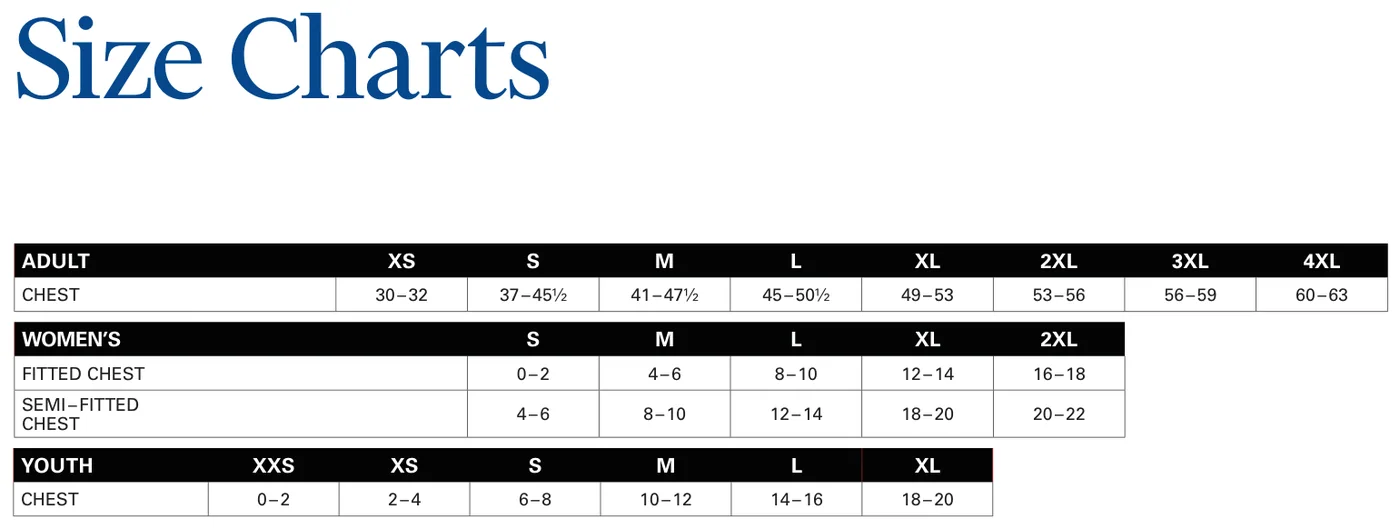
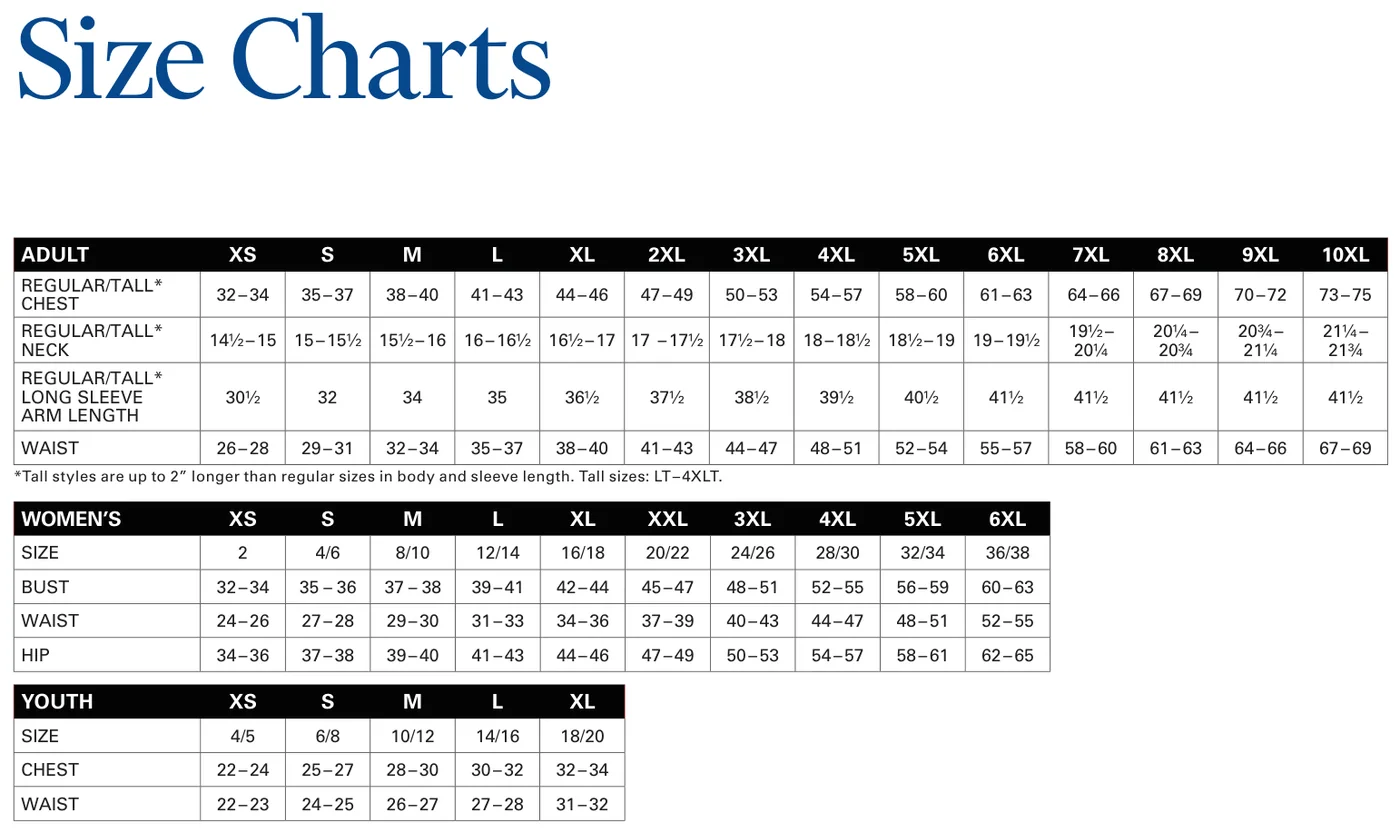
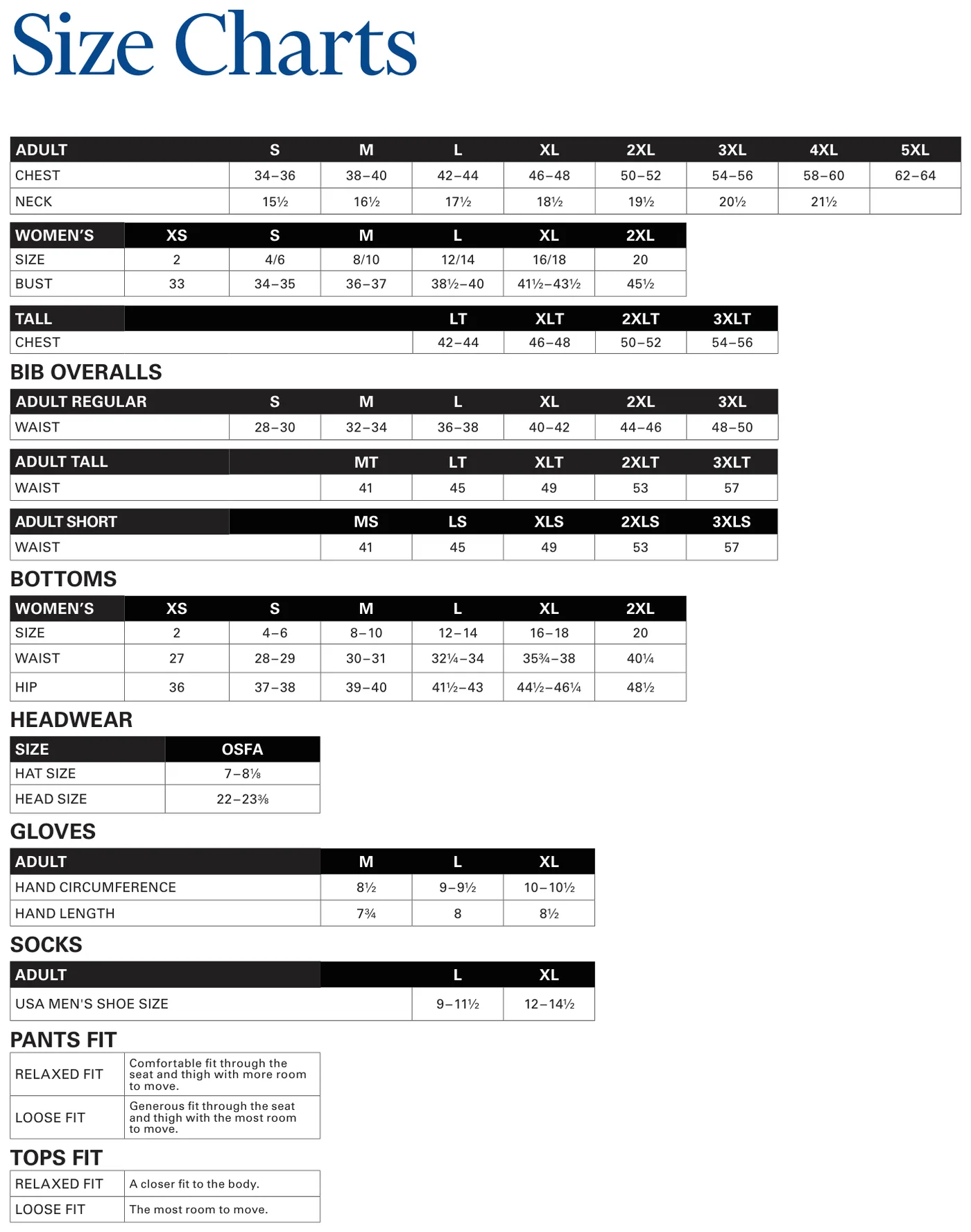
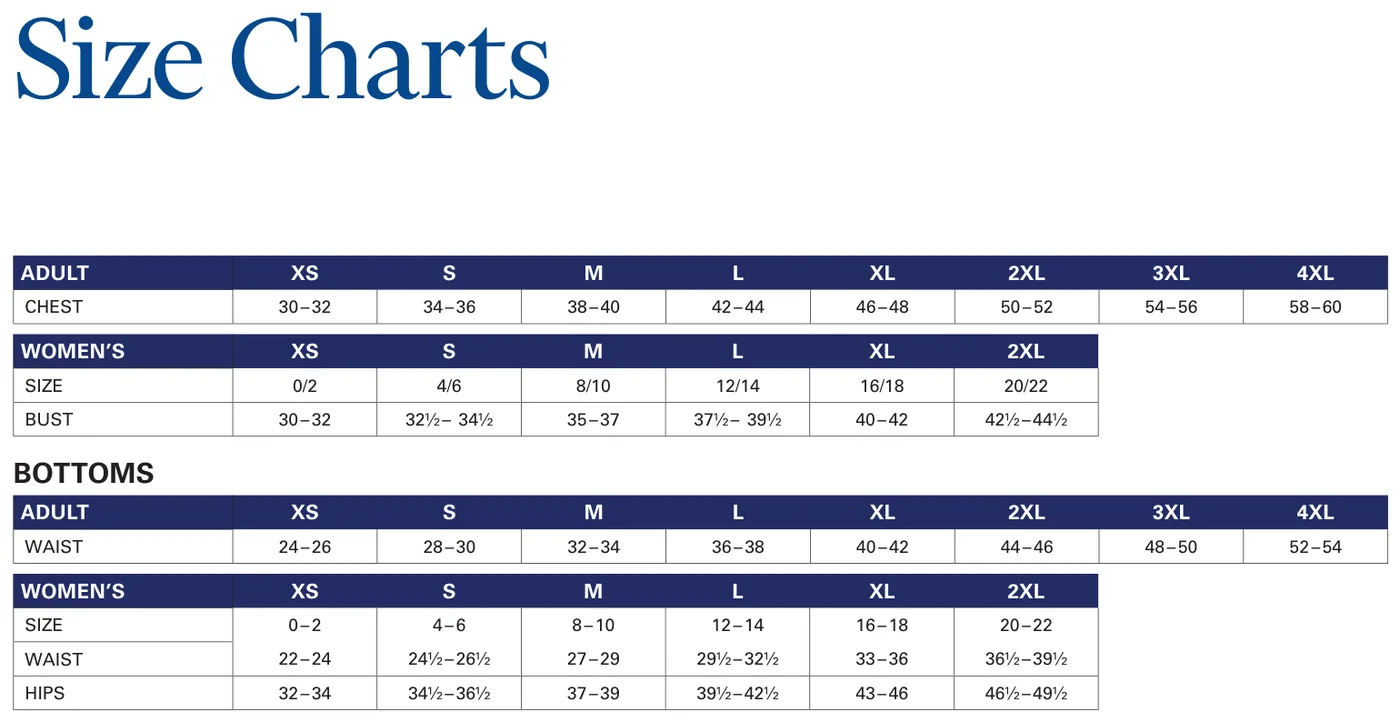
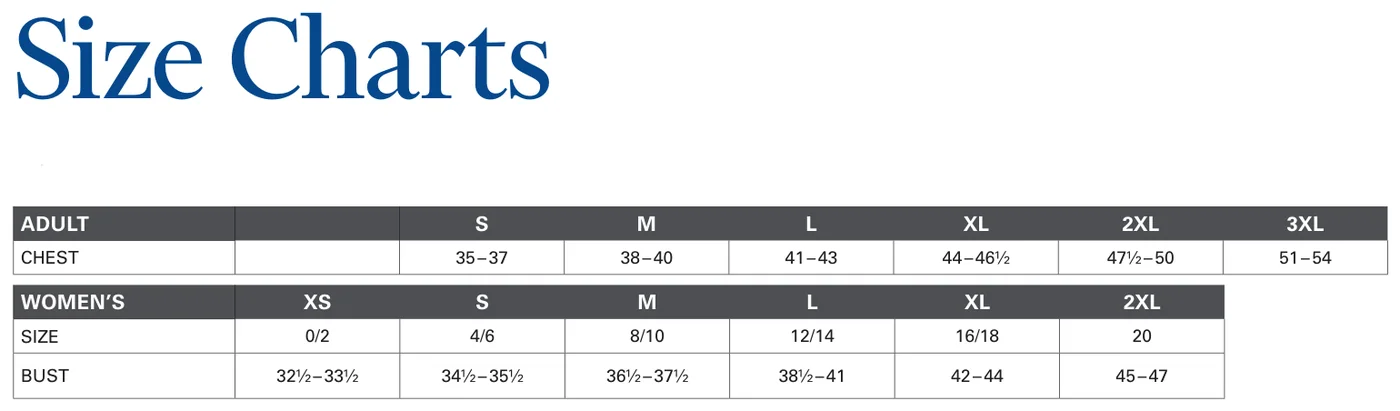
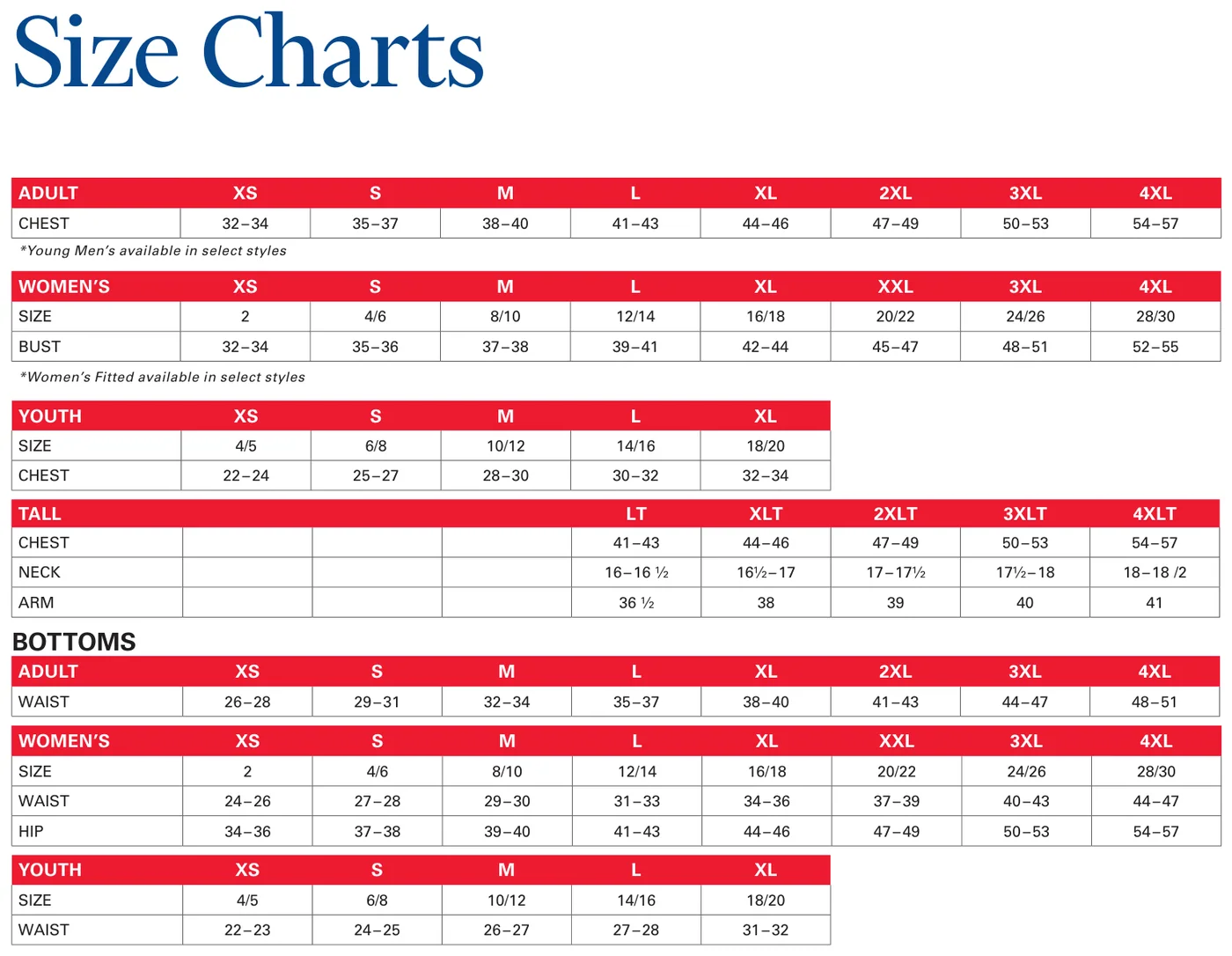
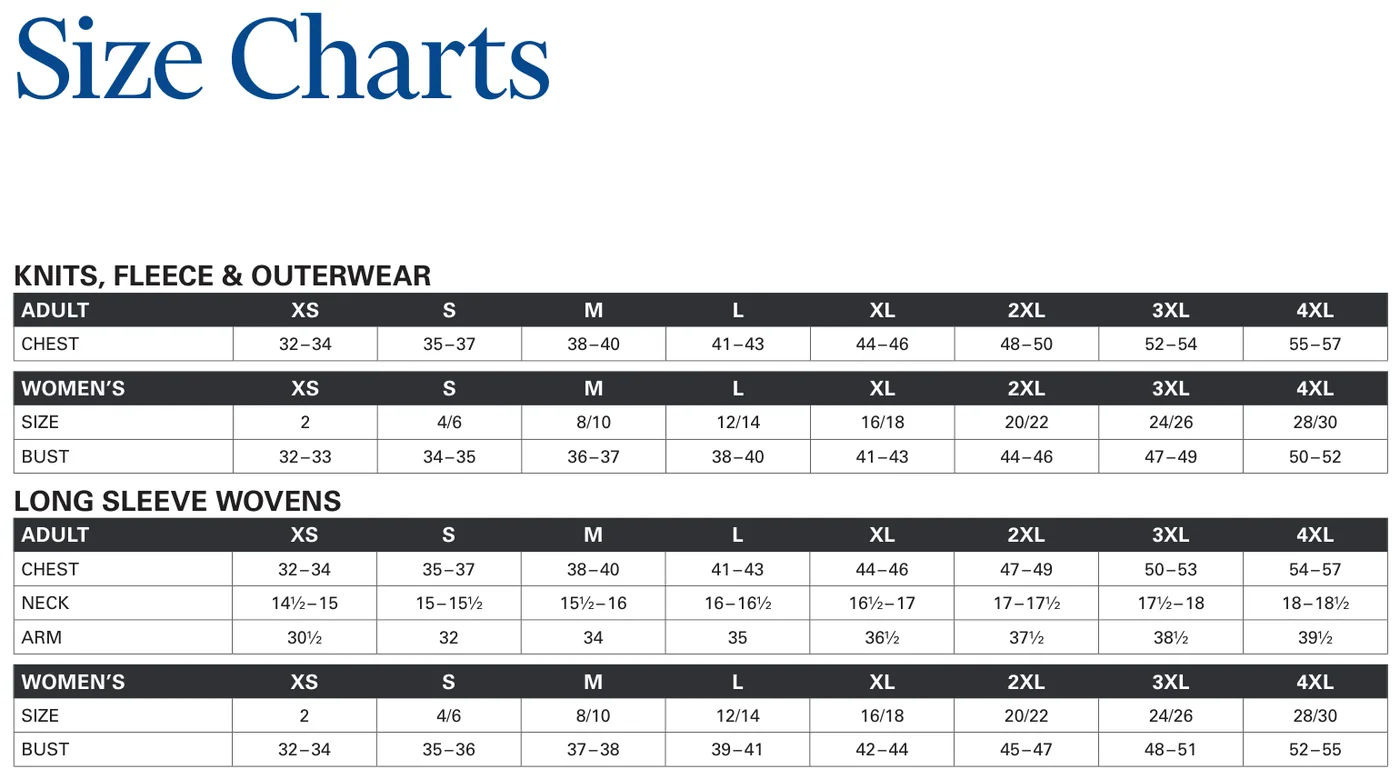
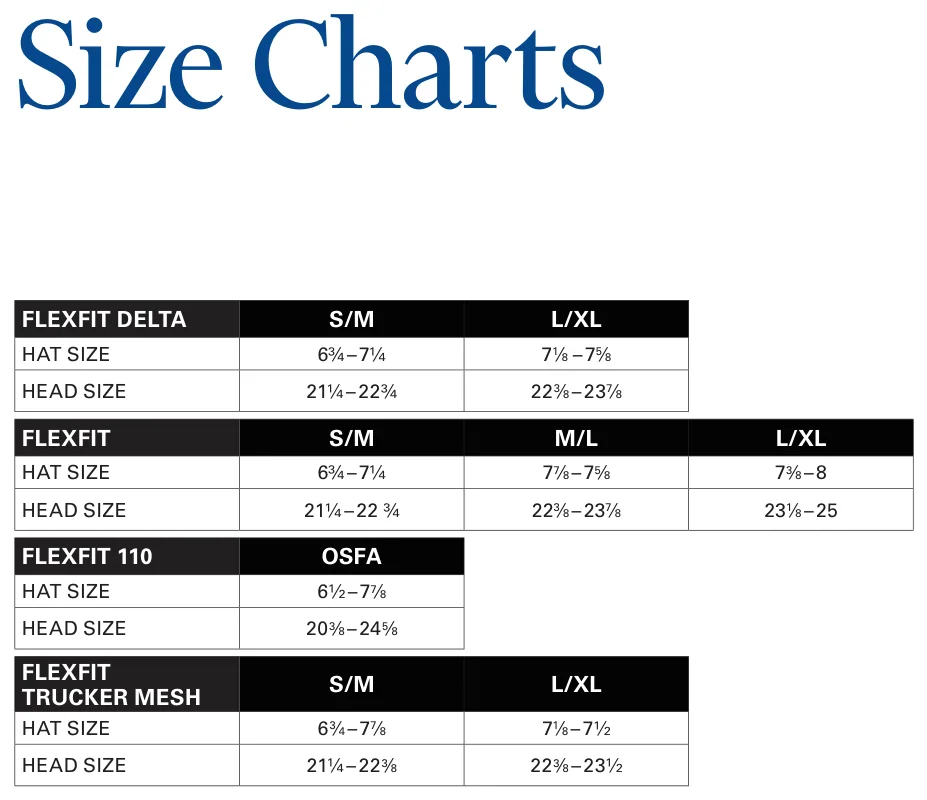
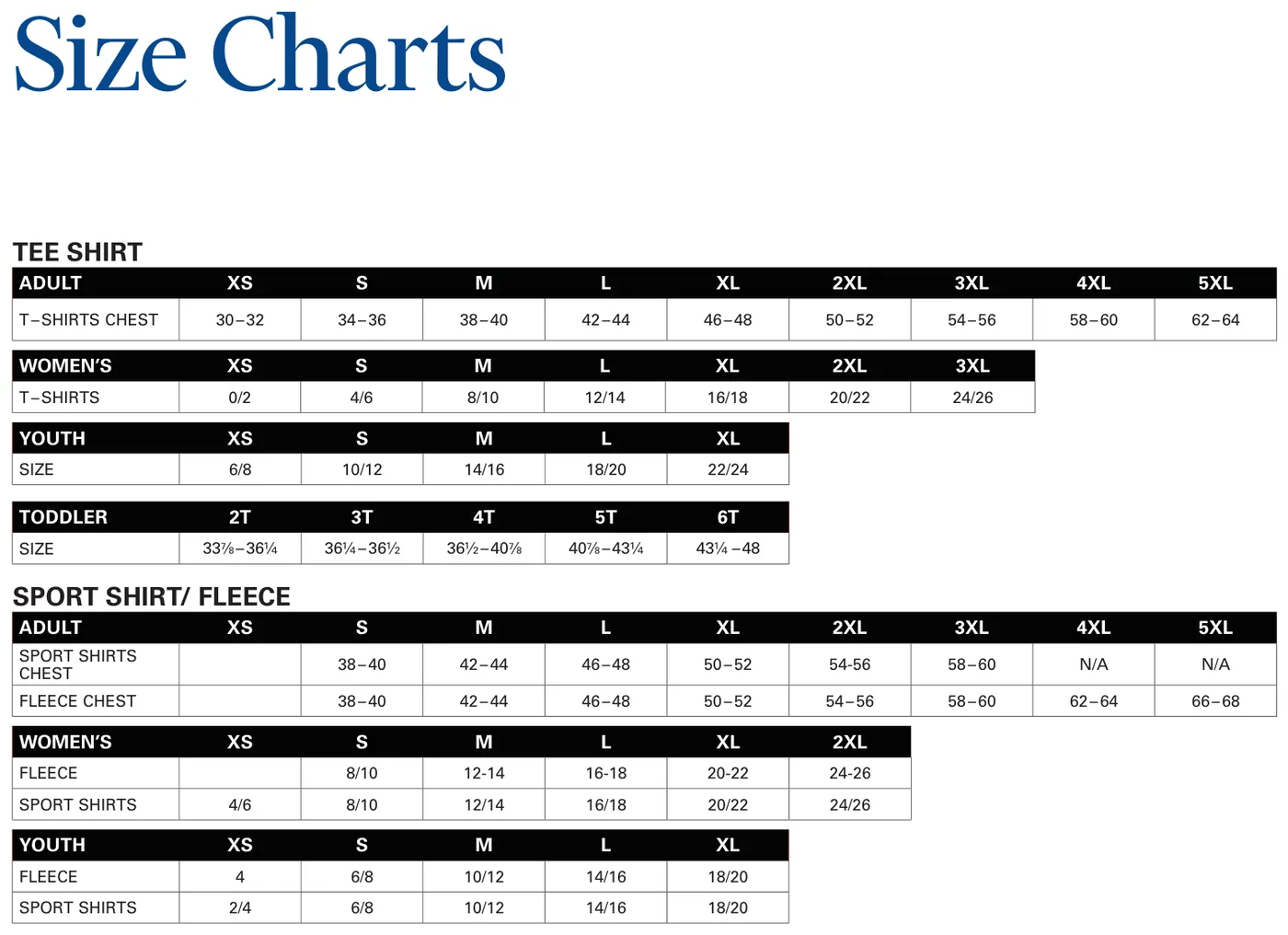
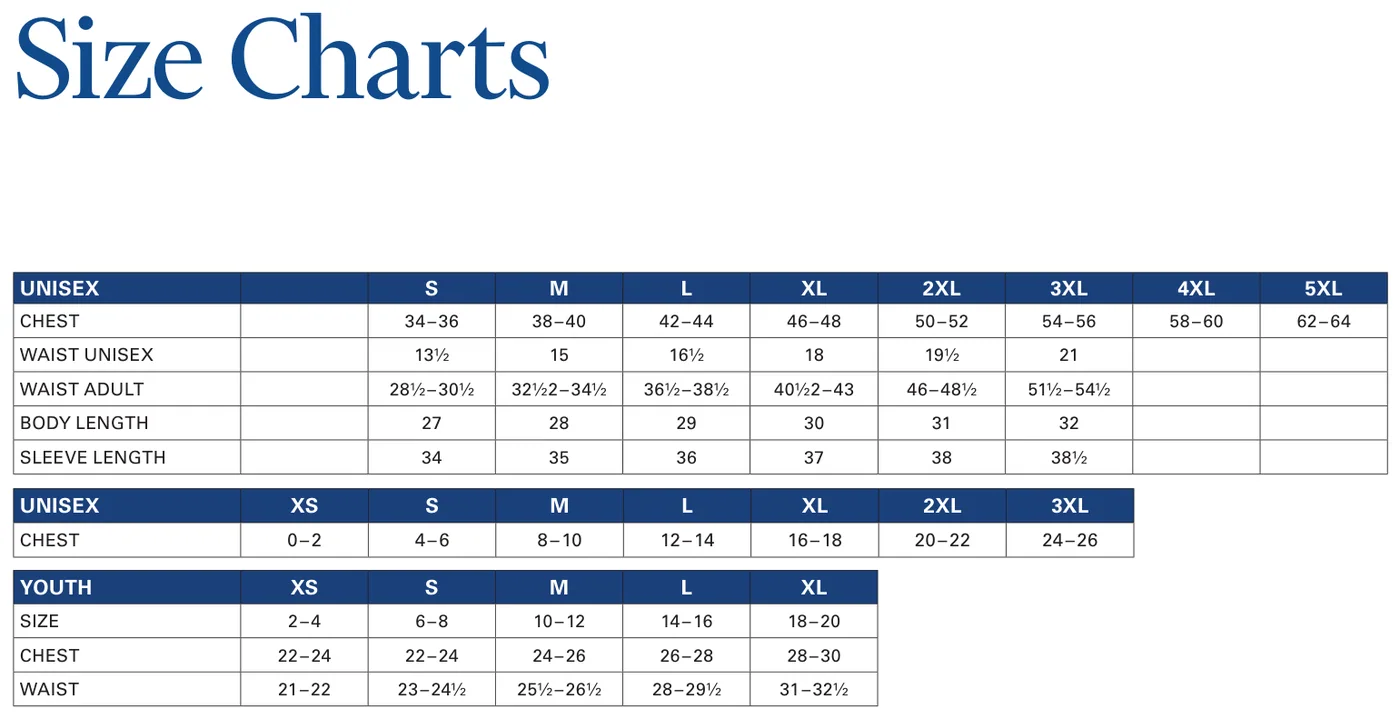
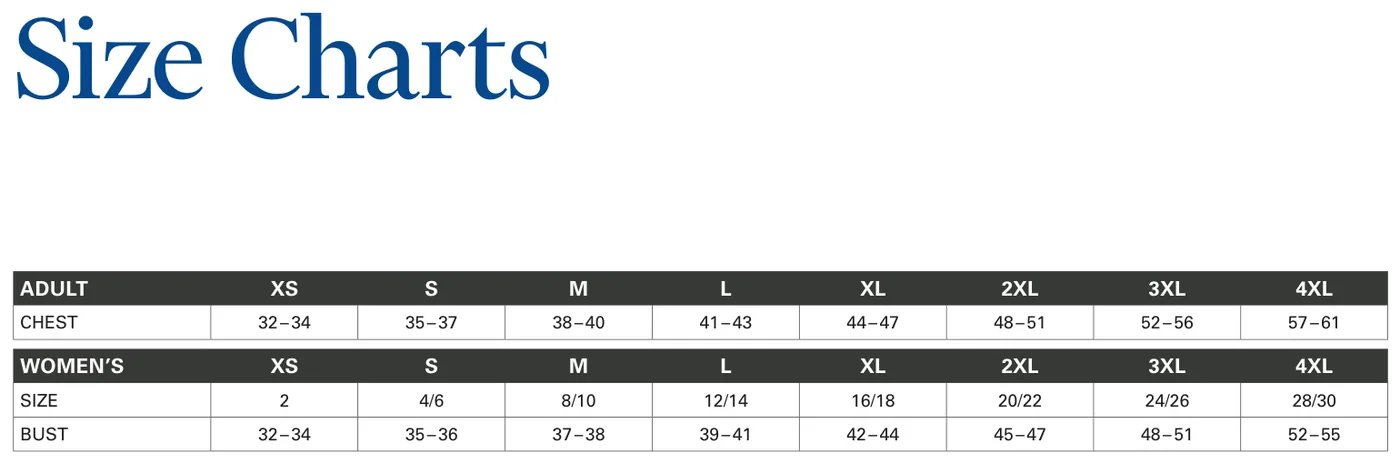
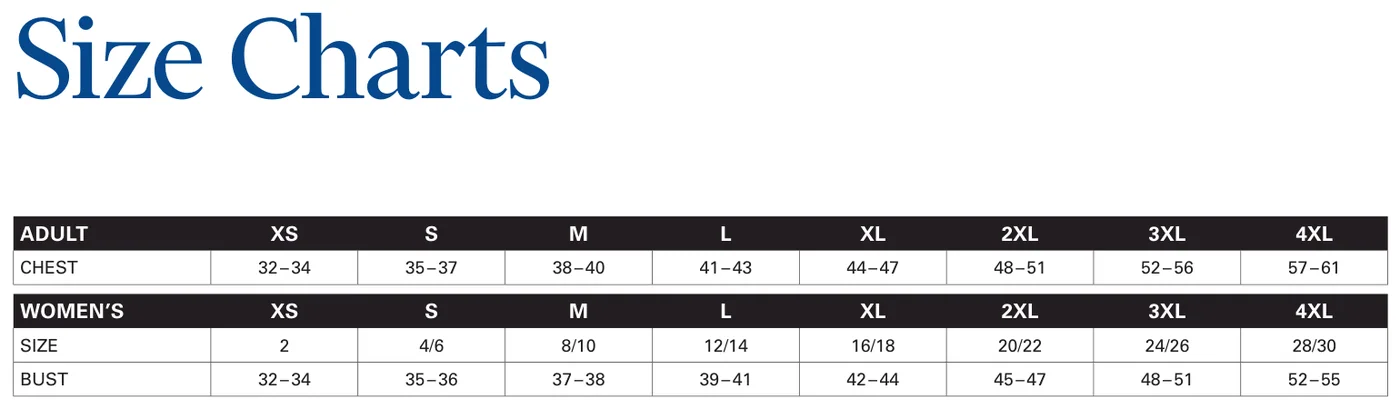
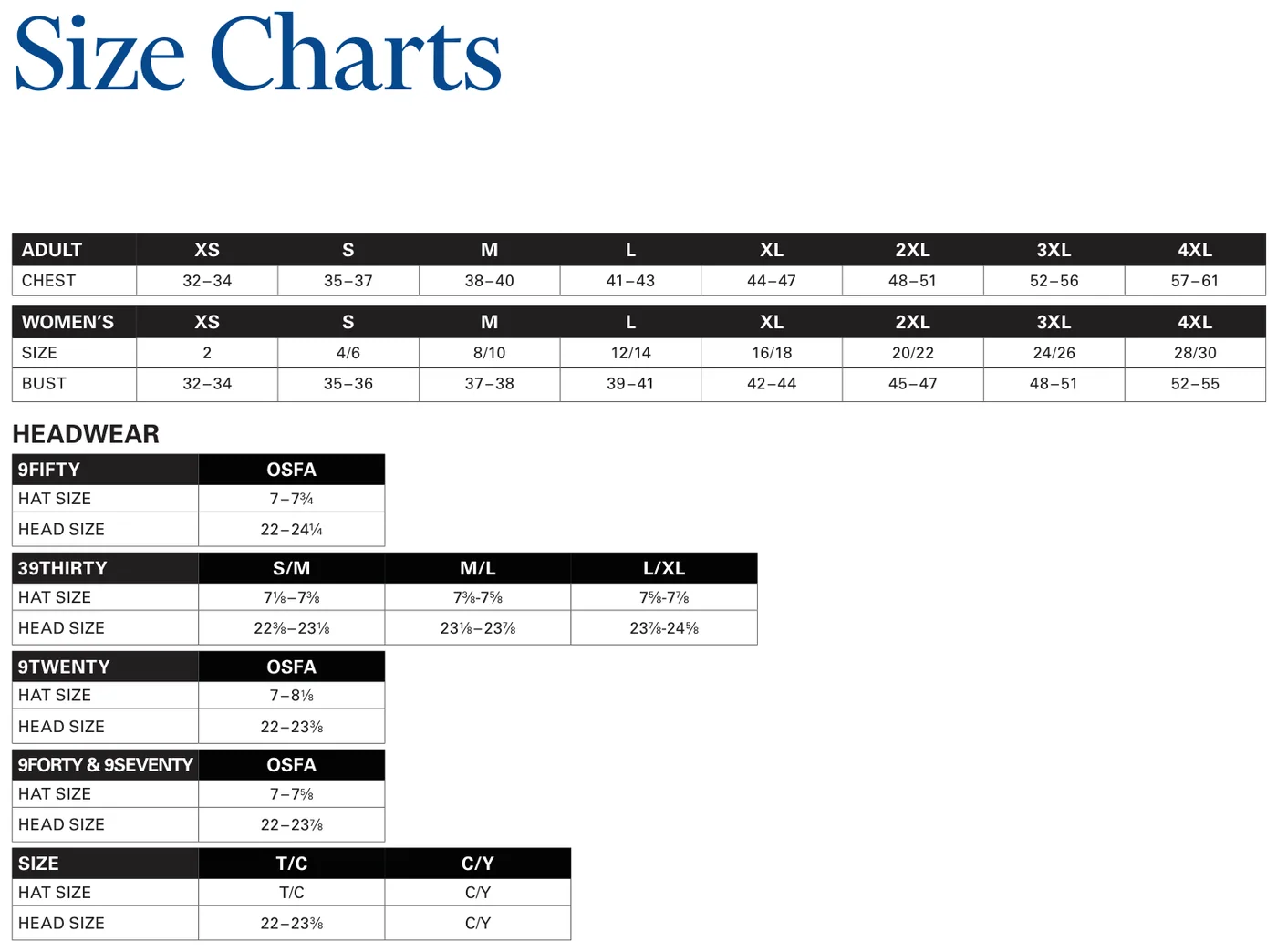
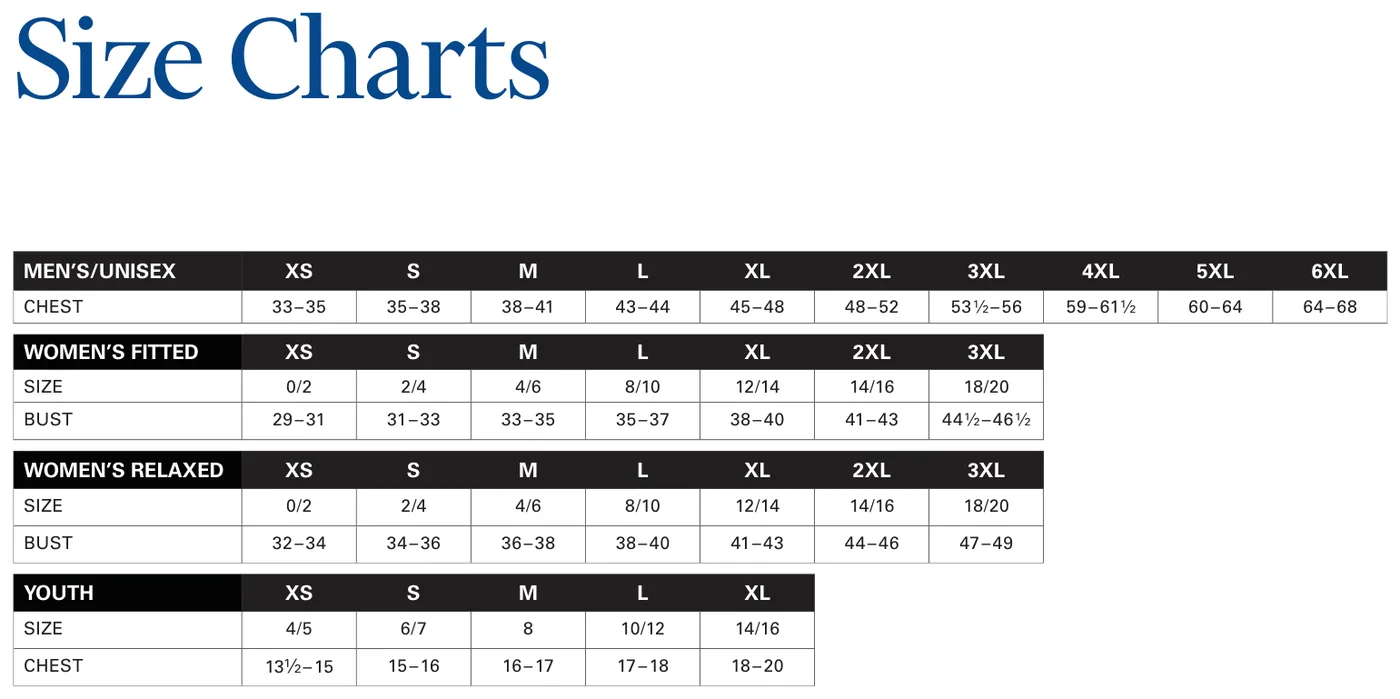
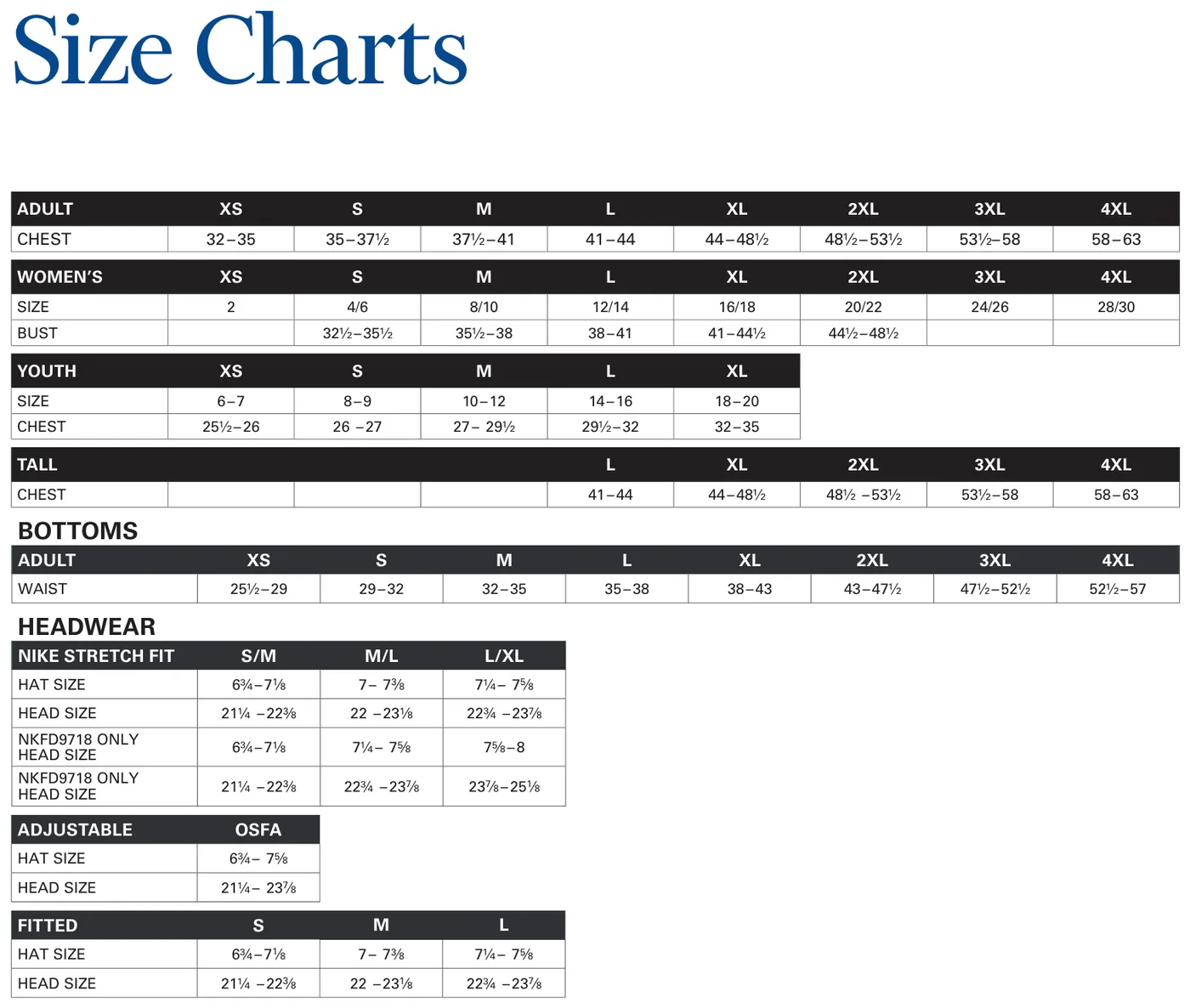
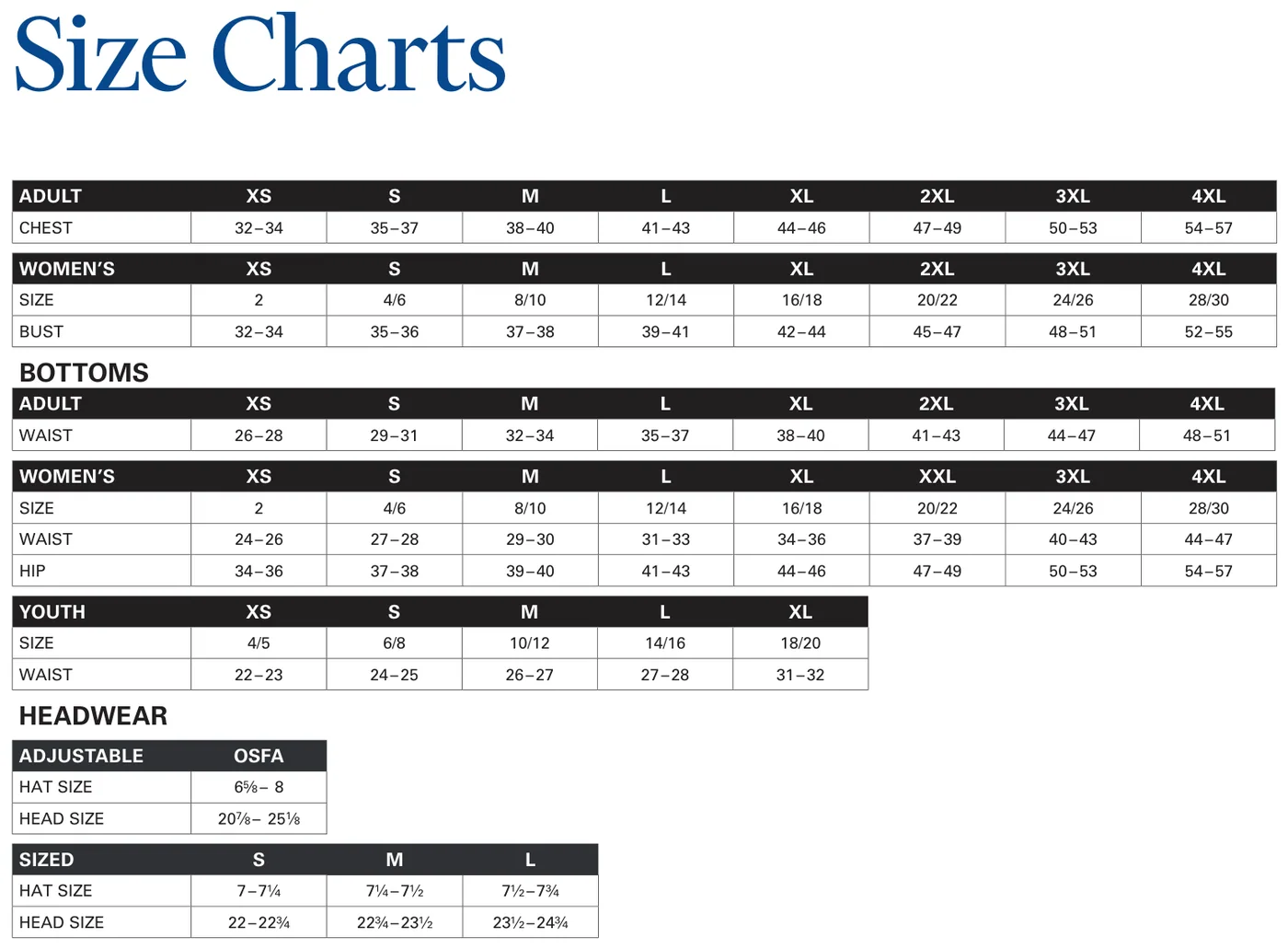
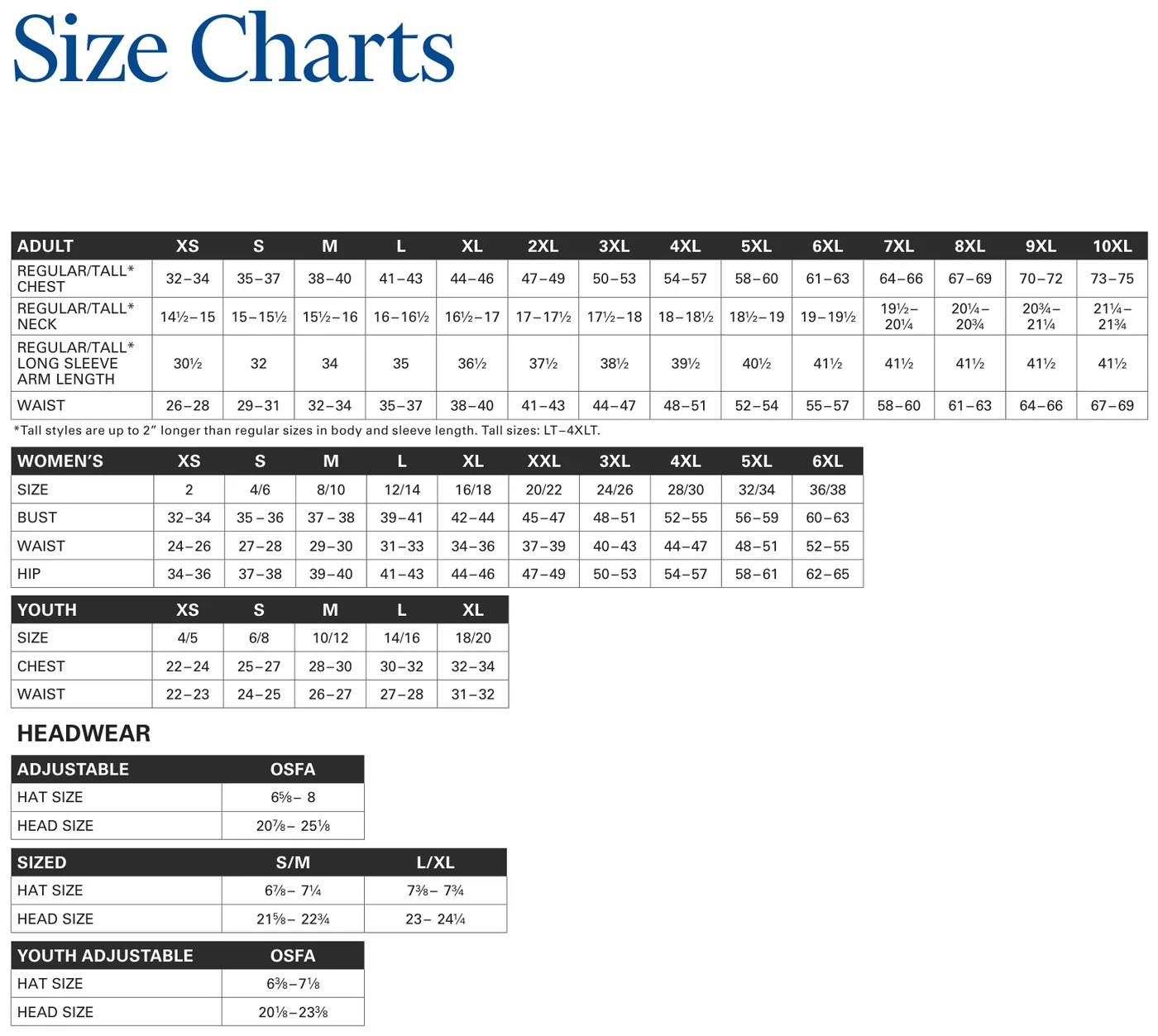
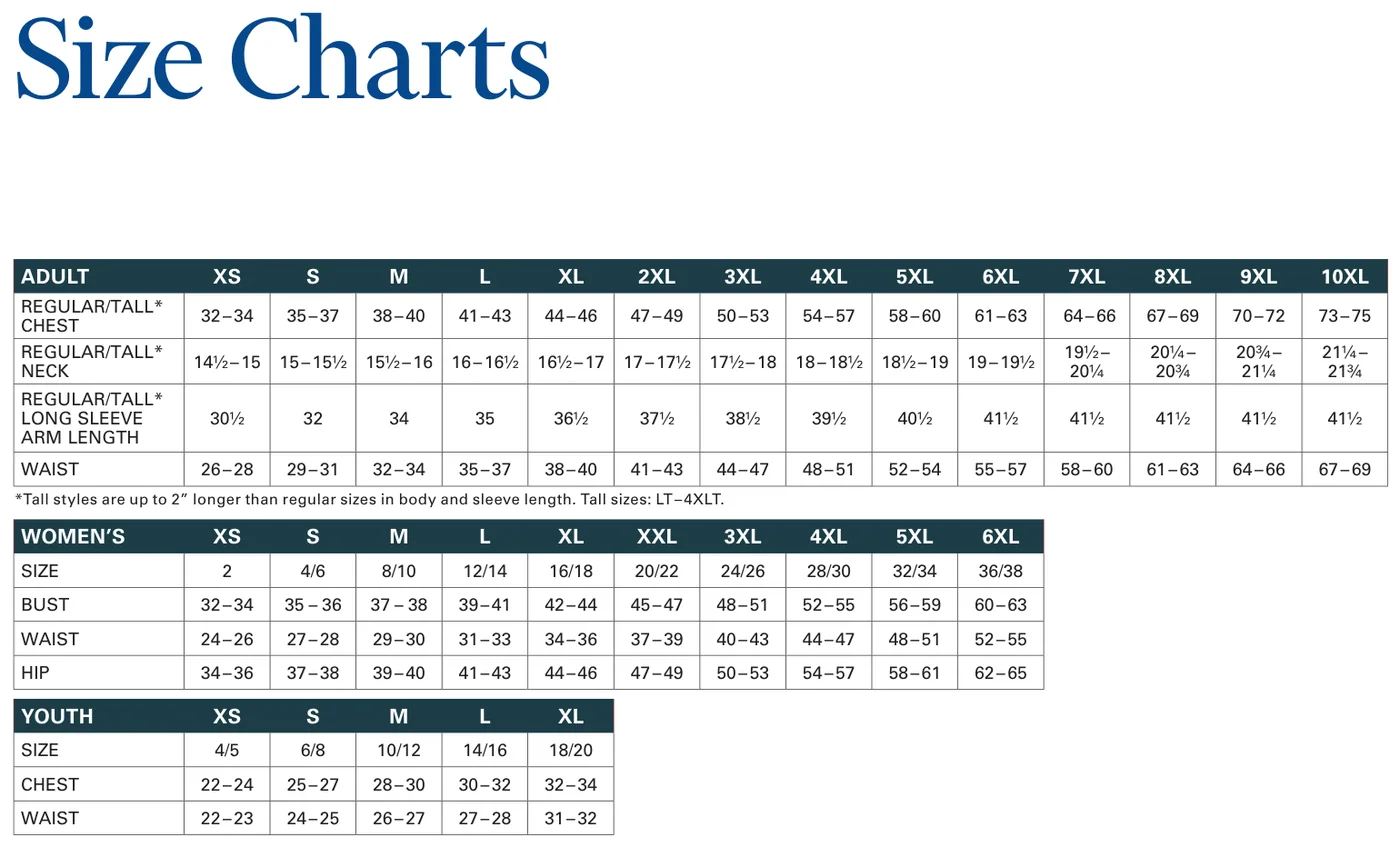
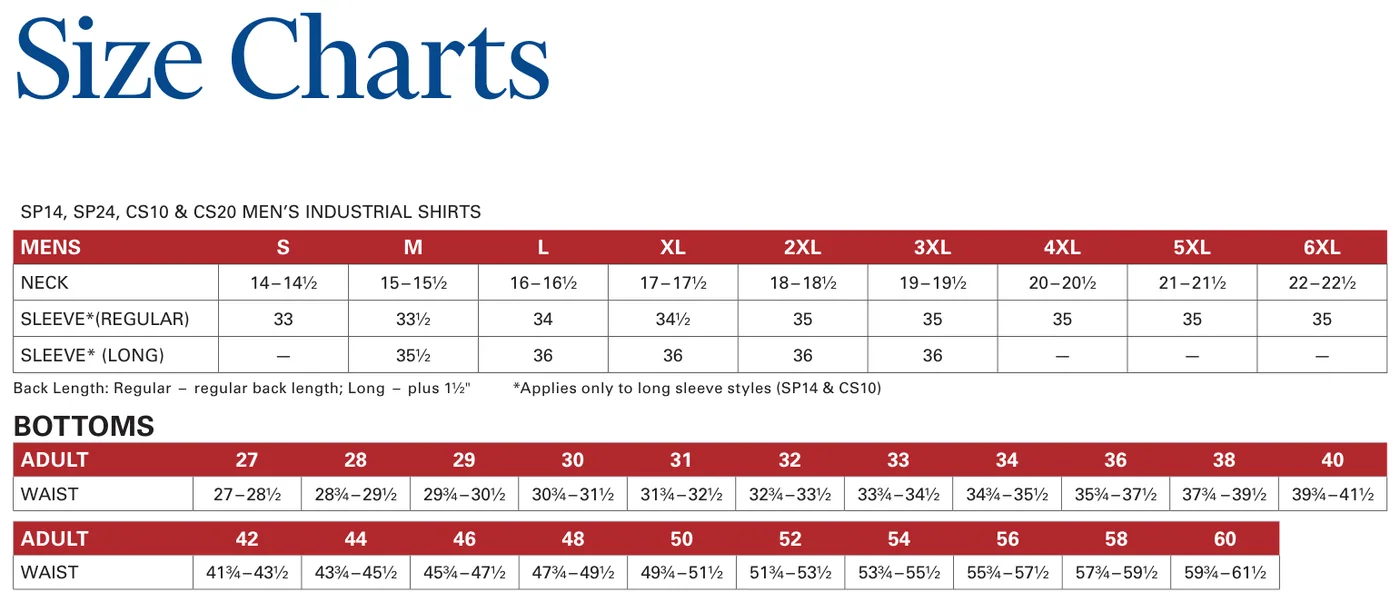
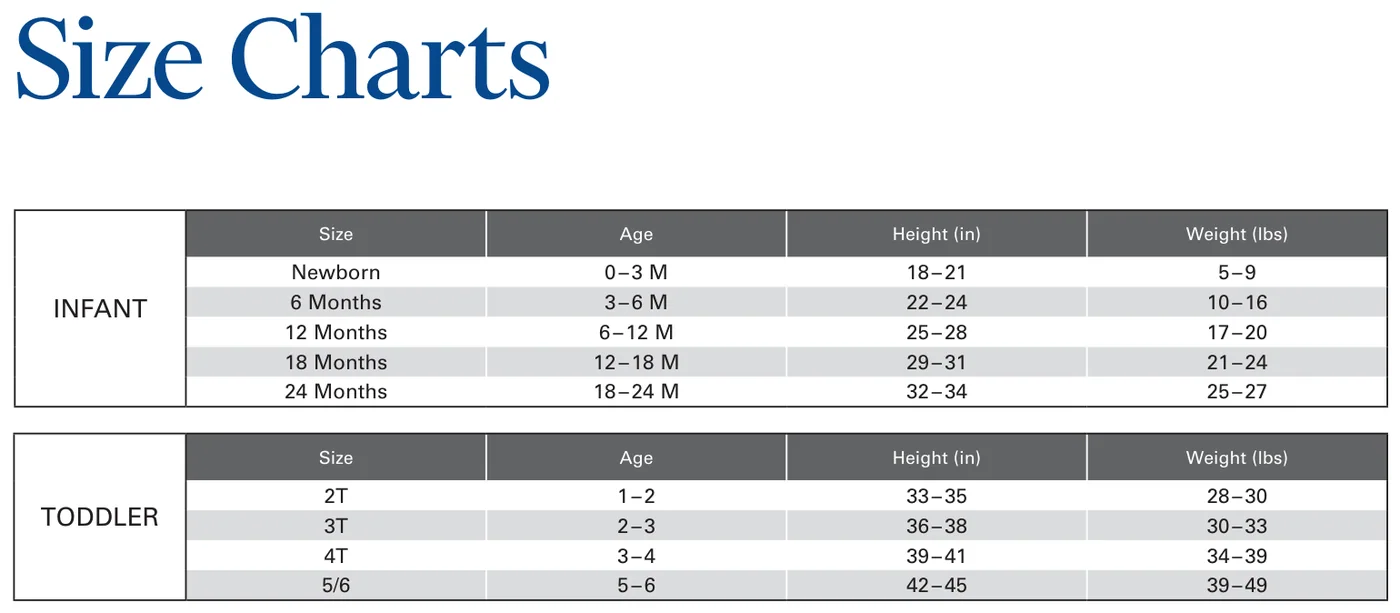
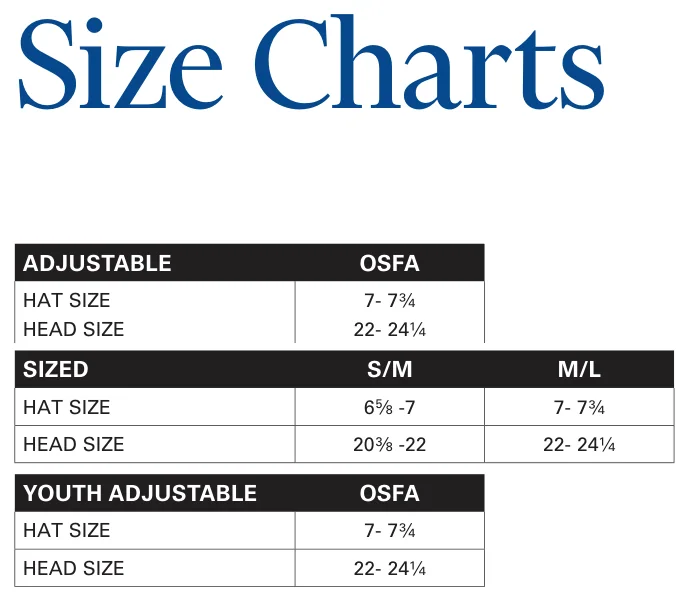
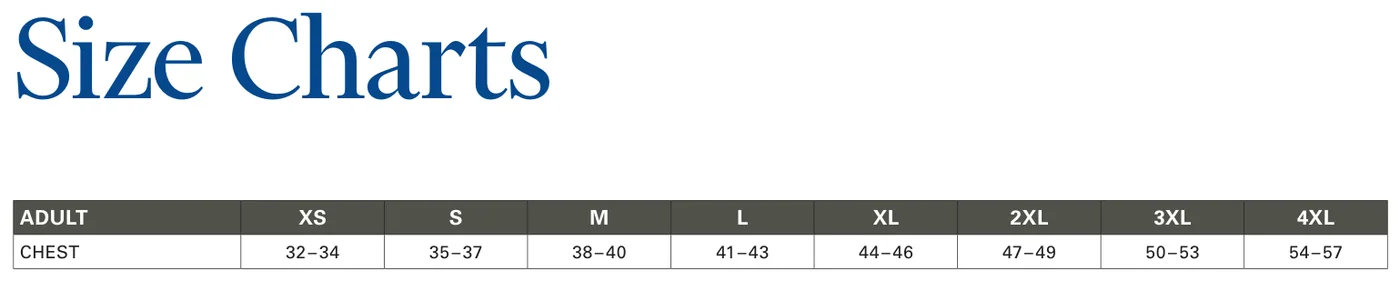
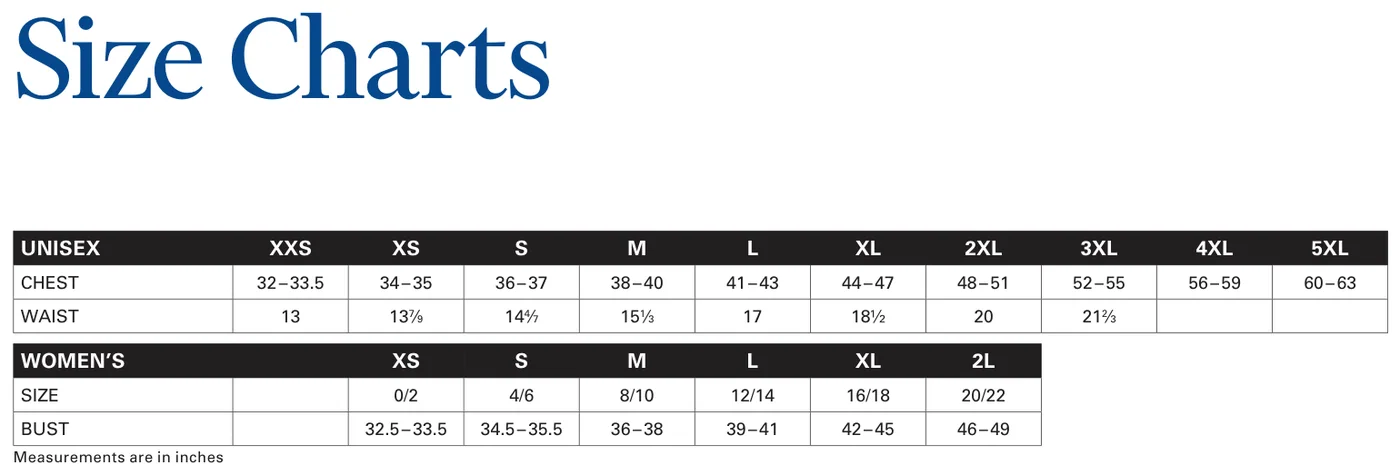
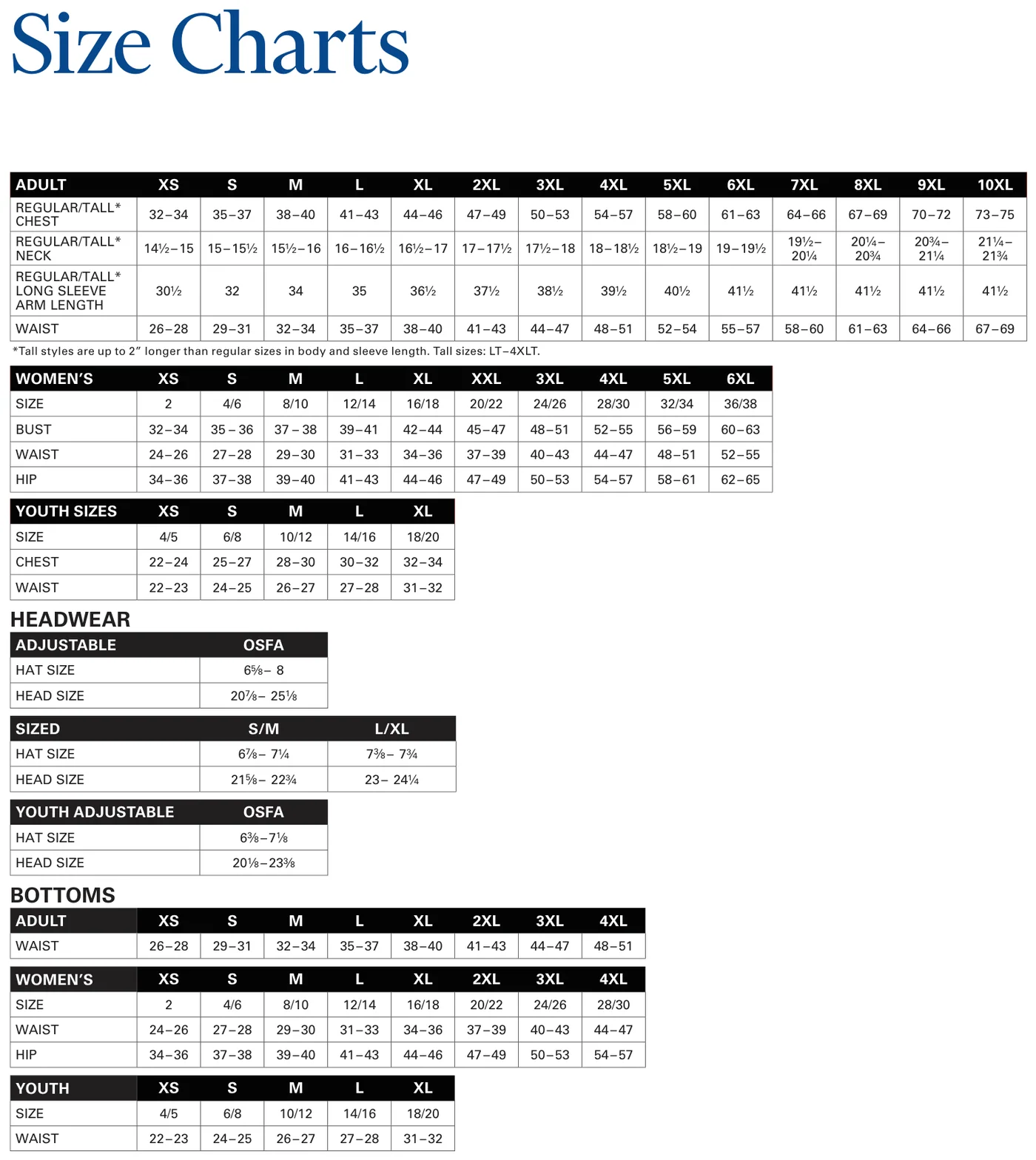
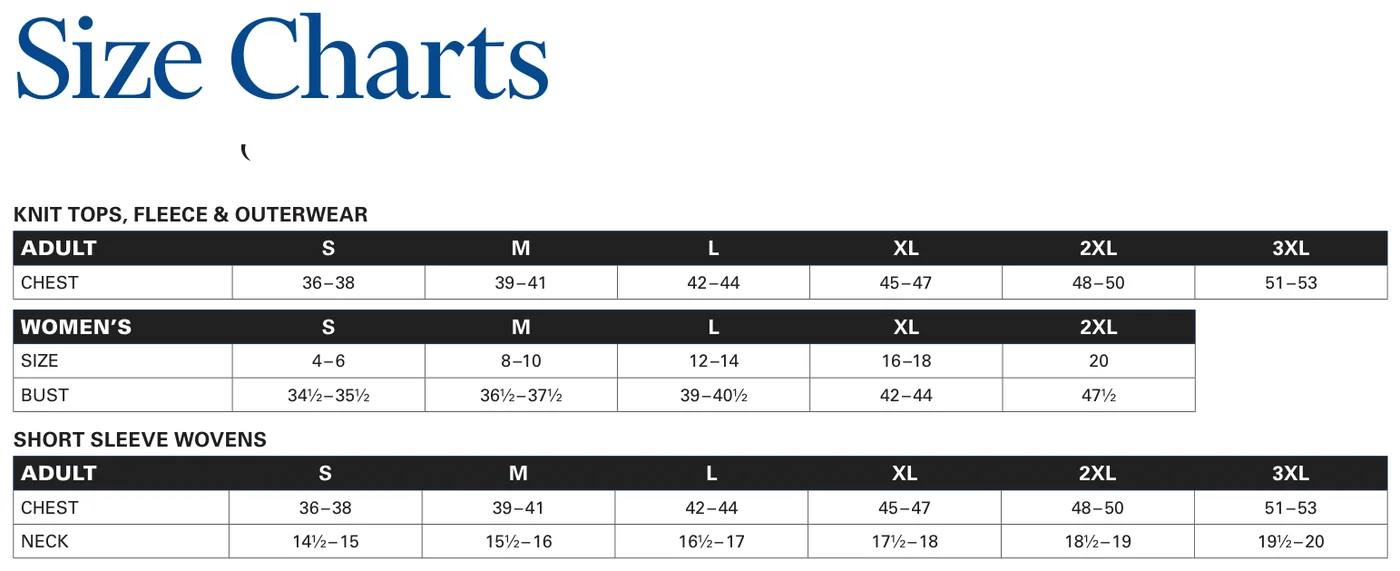
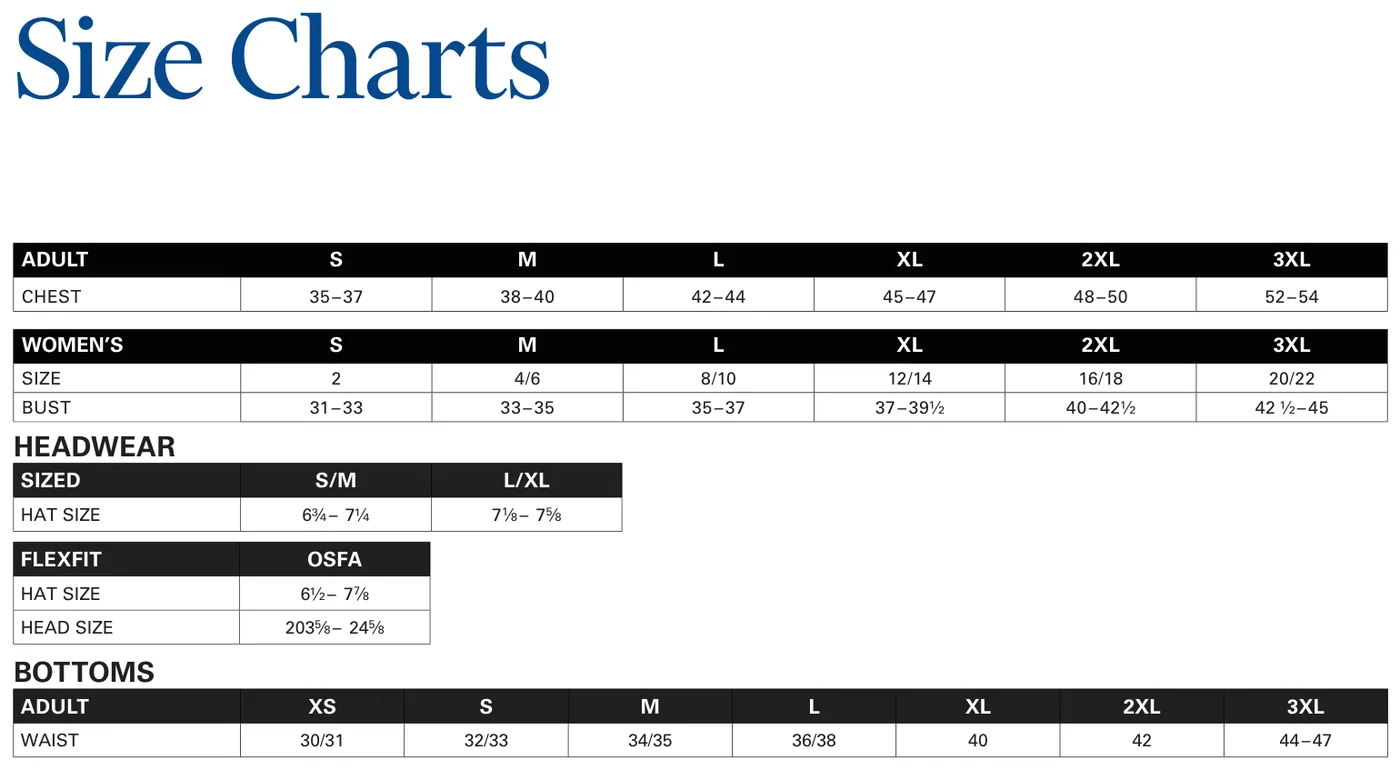
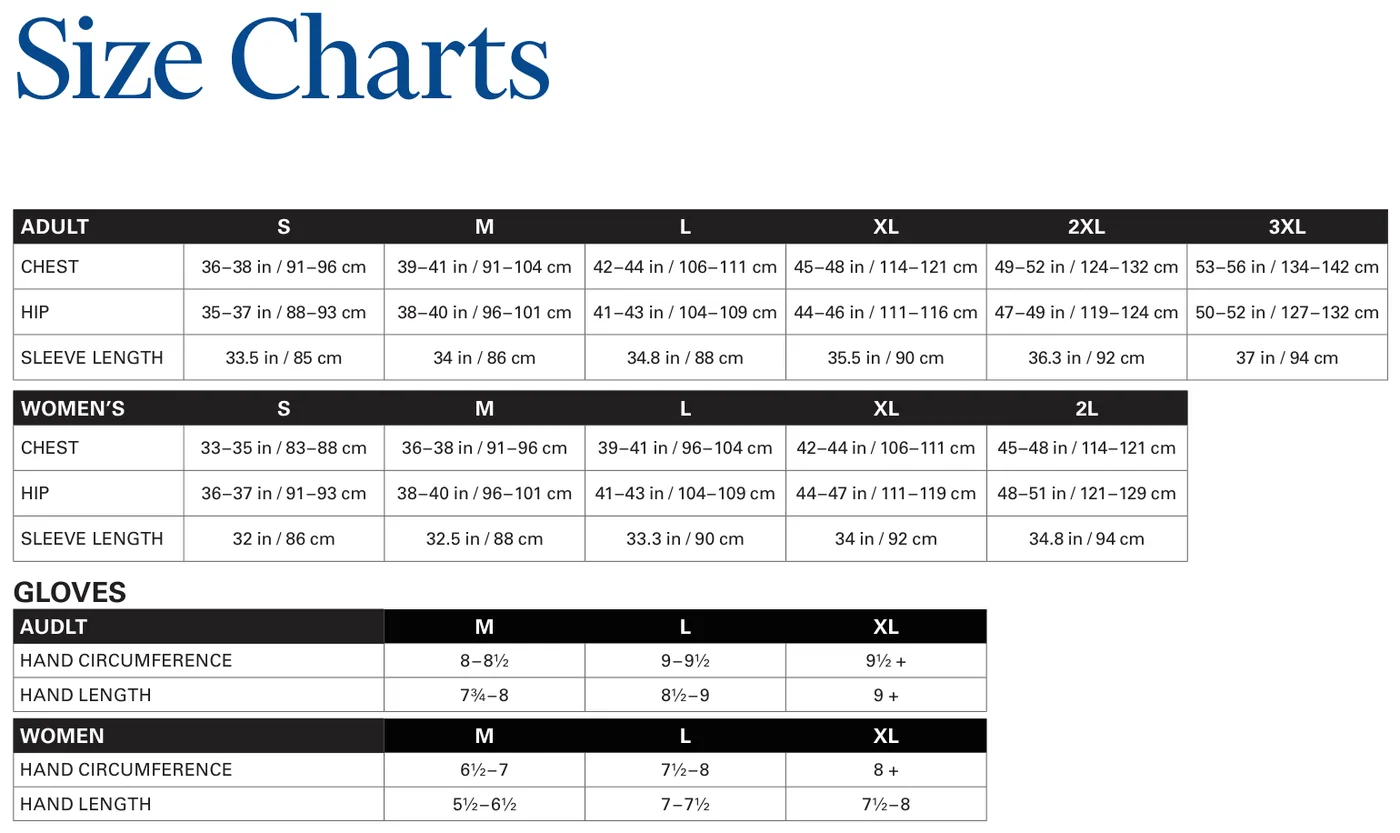
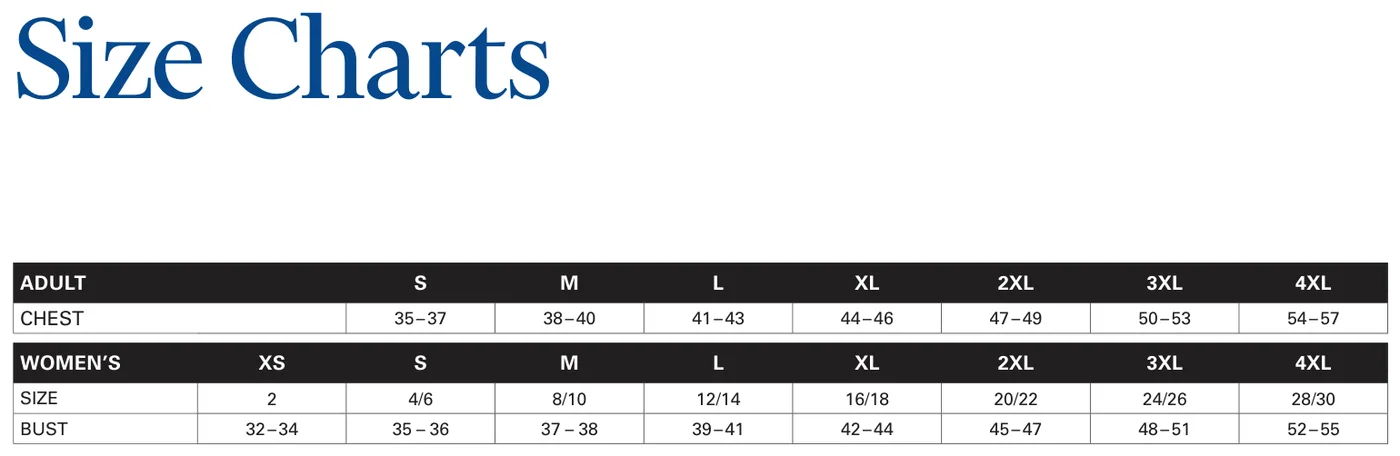
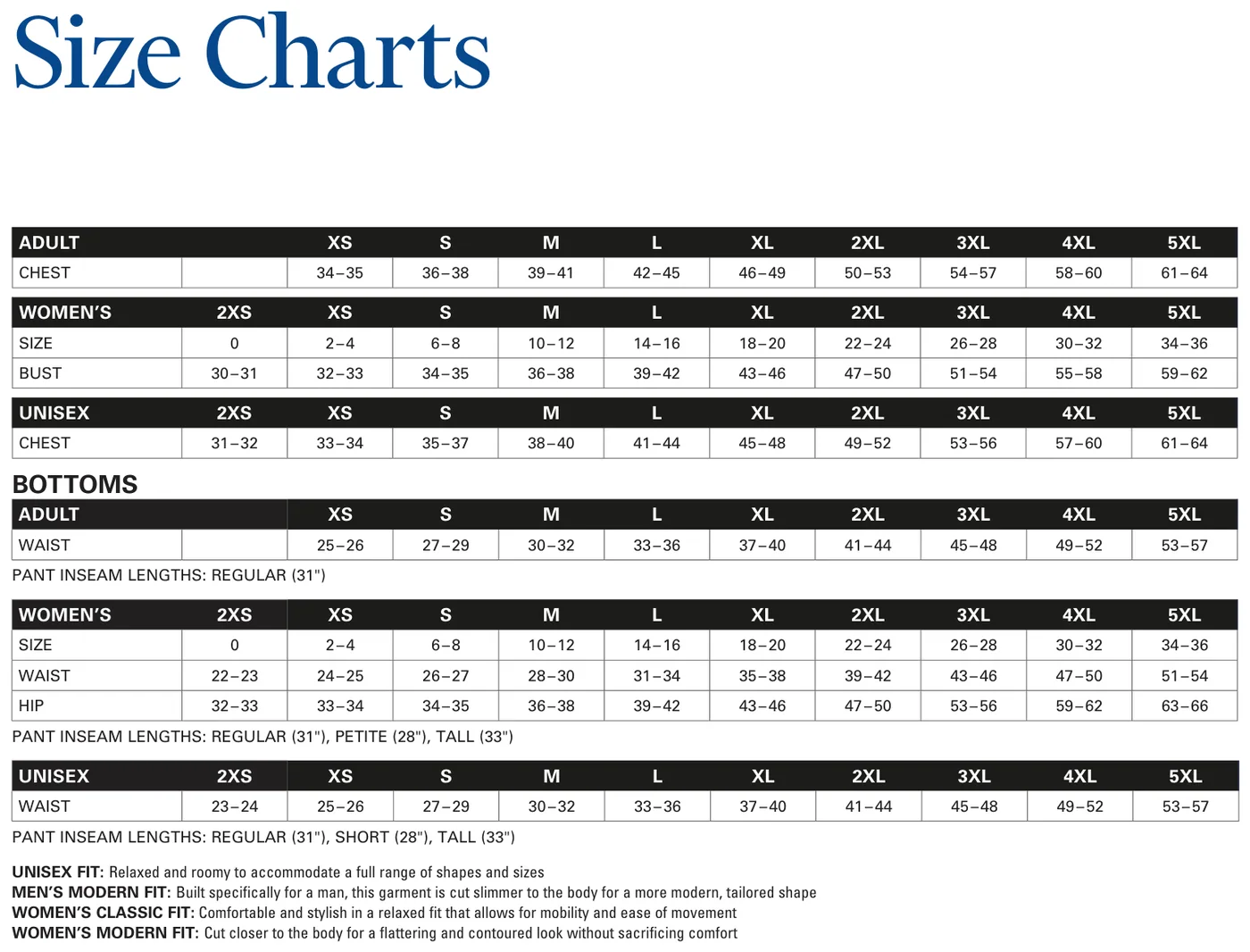
How to read any of these charts
Nearly every garment chart uses the same handful of columns. Once you can read one, you can read all of them.
| Column | What it measures | How you use it |
|---|---|---|
| Chest width (or body width) | The shirt laid flat, measured armpit to armpit, sometimes doubled | The most useful column. Measure a shirt you own the same way and compare. |
| Body length | From the highest shoulder point to the hem | Decides whether it covers your belt line. |
| Sleeve length | Shoulder seam to cuff, or centre back to cuff | Matters most on long sleeves. Check which method the chart uses. |
| Size label | S, M, L, XL, 2XL… | Labels are not standardised between makers. A large in one chart is a medium in another. |
| Tolerance | ± half an inch or ± 1 inch, usually in a footnote | Two shirts from the same case can differ by that much and both be correct. |
Two mistakes worth avoiding
- Confusing body measurement with garment measurement. A chart quoting "chest 38–40 in" may mean the wearer's chest, not the shirt's chest. The garment is usually 2–4 inches larger. Order by the wrong one and you will be a size out, in the direction that does not sell.
- Assuming a size label means the same thing across makers. This is why the library exists. A "large" in a heavyweight workwear body is a different garment from a "large" in a fashion fit.
Which chart applies to our own styles? Our style pages each carry their own size table where the mill supplied one. Where it has not, the closest chart here is a reasonable reference — but confirm it against a physical sample before you commit to a 600-piece order.
Not sure which size curve to buy?
Charts tell you what a size measures. They do not tell you how many of each to order — that is the other half of the problem.